If you’ve ever wondered how they grow CBD without THC, the answer is more complex than it might sound. You can’t grow a CBD-rich hemp plant with absolutely zero THC – both CBD and THC are compounds called cannabinoids produced naturally in cannabis plants. In the UK, THC-free means the THC level is so low it cannot be detected by accredited laboratory testing, rather than absolute zero at the molecular level.
What farmers can do, however, is cultivate hemp plants that have high CBD and low THC content. After harvesting, processors can then remove THC during extraction and refinement, creating CBD products that are fully compliant and THC-free.
In this guide, we’ll explore what CBD and THC are and their differences, how CBD is grown with minimal THC, the different extraction and refinement techniques, what counts as THC-free, and why these products are popular.
At The CBD Flower Shop, we have hand-picked our premium range of CBD products, including THC-free options, available for online purchase with fast delivery. Order today, and if you need any help, don’t hesitate to contact us.
CBD and THC key differences
To understand how low-THC CBD is grown and produced, we first need to understand the significant differences between CBD and THC:
- CBD (Cannabidiol): A non-intoxicating cannabinoid with various potential wellness benefits, such as potential pain relief, reduced inflammation, and anxiety support. It interacts with the human body differently from THC and doesn’t cause psychoactive effects.
- THC (Tetrahydrocannabinol): The psychoactive compound in marijuana responsible for the ‘high’. THC binds to receptors in the brain that influence mood, memory, and perception.
Both are active ingredients derived from Cannabis sativa, but their psychoactive properties and legal status are vastly different. In the UK, THC products are illegal unless prescribed as part of medical cannabis. CBD, however, is legal if extracted from approved hemp varieties and kept within low THC (less than 0.2%) content limits.
To explore CBD and THC further, read our ‘CBD Vs THC?‘ guide.
How do they grow CBD without THC?
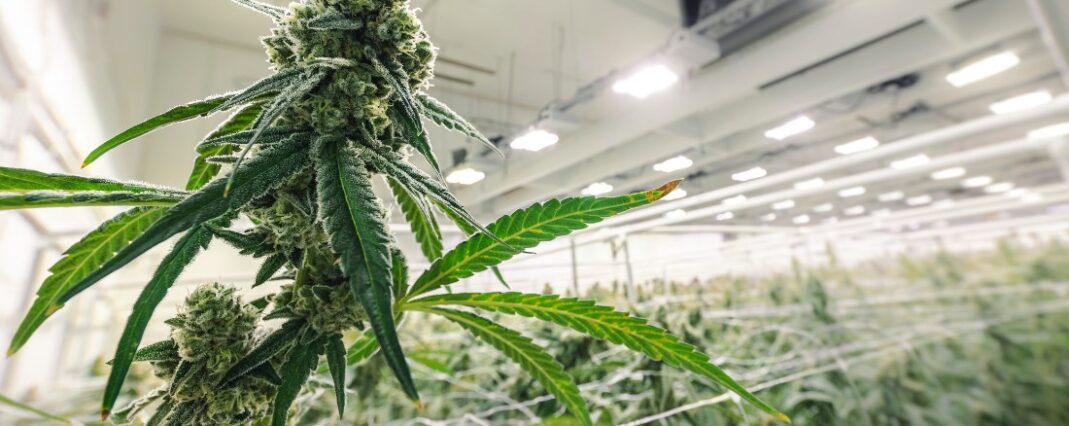
As mentioned, you can’t grow a CBD-rich hemp plant with absolutely zero THC; it’s simply part of the plant’s natural chemistry. What skilled farmers can do is work with carefully selected hemp genetics that naturally produce high CBD and low, legally compliant traces of THC, then manage every stage of cultivation to keep those levels as low as possible.
Achieving this balance comes down to a combination of smart genetics and precise cultivation practices. Here’s how it’s done:
Start with the right plant genetics
CBD-dominant hemp strains are bred to produce high levels of CBD and only minimal THC. Plant breeders select and cross parent plants over generations to keep THC well within legal limits. In rare cases, breeders have developed varieties with genetic traits that significantly reduce the plant’s ability to convert CBD precursors into THC. While this can keep THC levels extremely low, such cultivars are uncommon and still require testing, and, in most cases, post-harvest processing, to create truly THC-free products.
Use certified hemp seeds or clones
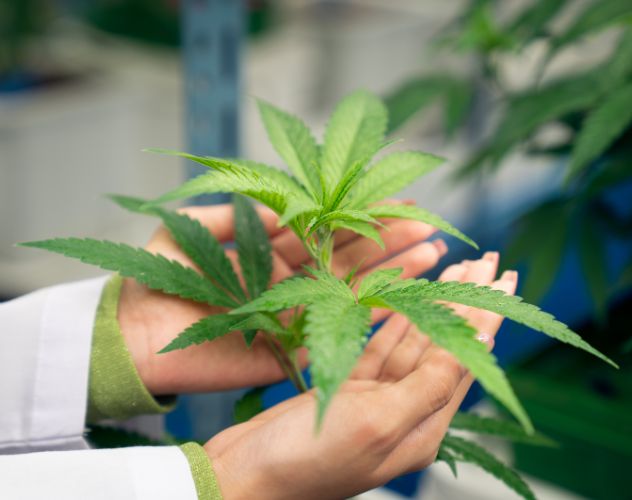
Certified industrial hemp seeds are tested and proven to produce plants with high CBD and very low THC. Farmers may also use clones – cuttings taken from a healthy ‘mother’ plant – which grow into genetically identical plants. This guarantees consistent quality and helps ensure the crop stays within legal THC limits.
Control the growing environment
The environment has a significant impact on cannabinoid levels, and stress factors can trigger higher THC production. Plant stress means any environmental, physical, or biological factor that disrupts normal growth and makes the plant feel threatened, which can alter how it produces cannabinoids.
Common plant stress factors include:
- Water stress – either drought or overwatering
- Temperature extremes – too hot or too cold for long periods
- Poor soil health – nutrient deficiencies or imbalances
- Pests and disease – damage from insects, fungi, or bacteria
- Physical damage – high winds, storms, or rough handling
- Light stress – inconsistent light cycles or excessive UV exposure
To avoid stress, farmers focus on maintaining optimal soil health, regulating temperature and humidity, ensuring consistent sunlight exposure, and protecting crops from pests and harsh weather.
Monitor the growth cycle carefully
THC levels can creep up if plants are stressed or harvested too late, meaning farmers often test flower samples multiple times before harvest to ensure THC stays below legal limits.
The harvest timing itself is also critical. As CBD and THC both come from the same precursor (CBGA), waiting too long can let THC levels climb.
Harvest at the right moment
The CBD-to-THC ratio shifts as the plant matures. Harvest too early and you’ll have less CBD; harvest too late and you risk more THC. The best approach is to monitor cannabinoid levels via lab testing and cut plants at peak CBD with minimal THC.
How CBD is extracted and refined to remove THC
Once the hemp is cut and dried, it’s ready for extraction – the first step in creating CBD oils, capsules, and other CBD products.
Extracting cannabinoids
Once hemp is harvested, there are several methods to extract the cannabinoids from the plant material, including:
- CO₂ extraction – Uses pressurised carbon dioxide to dissolve cannabinoids and create a clean, solvent-free extract.
- Ethanol extraction – Soaks the plant in food-grade ethanol to draw out CBD, THC, and other cannabinoids, then removes the solvent.
- Distillation – Concentrates cannabinoids and removes impurities from the crude extract.
At this point, the result is full-spectrum CBD, which contains CBD, THC (within legal limits), and other cannabinoids like CBG and CBC.
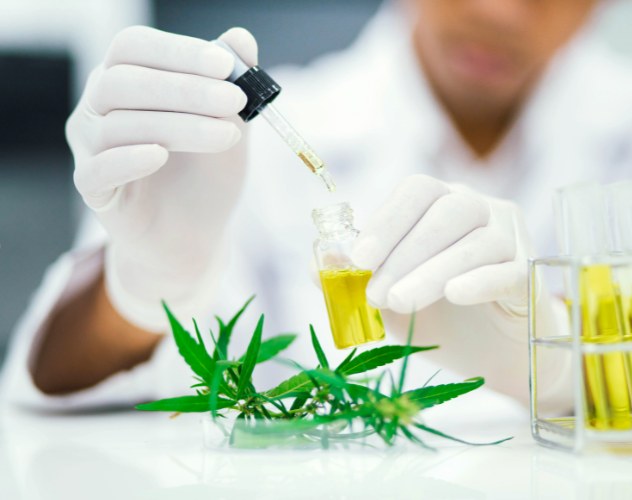
Refining to remove THC
To achieve THC-free, the extract undergoes precision refinement techniques designed to target and remove THC while preserving other potentially beneficial compounds.:
- Flash chromatography – Passes the extract through a special material that traps THC molecules.
- Molecular distillation – Uses slight differences in boiling points to separate THC from CBD.
- Carbon scrubbing – Filters out unwanted psychoactive compounds.
These specialised processes ensure the extract is ready for final product formulation.
Producing the final product
The refinement stage results in one of two THC-free CBD types:
- Broad-spectrum CBD – Retains CBD and other plant compounds, but THC-free.
- CBD isolate – Pure CBD only, THC-free.
By following these steps, producers can create THC-free CBD products with potentially beneficial plant compounds, including some CBD edibles.
What about ‘THC-free’ hemp strains?
Some breeders have developed rare hemp varieties with genetic traits that greatly limit the plant’s ability to produce THC. While these strains can contain extremely low levels of THC in the field, they are uncommon, not widely cultivated commercially, and still require testing – and often post-harvest refinement – to meet 0.0% THC. For the vast majority of CBD products, achieving true THC-free status involves growing low-THC hemp and then removing any remaining THC during processing.
What does THC-free mean when it comes to CBD products?
THC-free in CBD products means the amount of tetrahydrocannabinol (THC) is either undetectable or below the testing lab’s detection limit. It typically applies to two product types: CBD isolate and broad-spectrum CBD.
In the UK, THC-free means the amount of THC is so low that it cannot be detected by accredited laboratory testing. While this doesn’t guarantee absolute zero at the molecular level, it confirms there is no THC in the product at any level that is legally or scientifically significant.
| Type | Cannabinoids Present | Terpenes | Key Features |
| CBD isolate | CBD only | Absent | Pure CBD, no plant compounds, flavourless and odourless |
| Broad-spectrum CBD | CBD + other cannabinoids (except THC) | Present | Offers some ‘entourage effect’ potential benefits without THC |
| Full-spectrum CBD | CBD + all cannabinoids (including THC) | Present | The ‘entourage effect,’ richer plant profile; in the UK, THC content is legally limited to less than 0.2% in the source hemp |
Why do people choose THC-free CBD?
Even though UK-legal full-spectrum CBD contains only trace amounts of THC – not enough to cause intoxicating effects – some people prefer THC-free CBD. Common reasons include workplace drug testing, easier legal travel, or simply wanting CBD without any THC content at all.
THC-free CBD may also offer potential wellness benefits such as pain relief, reduced inflammation, improved sleep, mental health support, and complementary use alongside other medications. While research is ongoing, these products provide those potential effects with no THC, which can be important for peace of mind.
Summary
You can’t grow a hemp plant with absolutely zero THC, as both CBD and THC occur naturally in cannabis. What farmers can do is grow high-CBD, low-THC hemp using selective genetics, certified seeds, controlled environments, and precise harvest timing to keep THC within legal limits.
After harvest, CBD extraction methods such as CO₂ or ethanol extraction produce a full-spectrum extract containing CBD, THC, and other cannabinoids. This extract can then be refined through processes like flash chromatography or molecular distillation to remove THC completely, creating either broad-spectrum CBD or CBD isolate.
These techniques allow UK consumers to access THC-free CBD products while still accessing the potential wellness benefits of CBD. In the UK, THC-free means THC is undetectable in accredited lab tests, not that the product contains absolute zero at the molecular level.
Buy CBD isolate and broad-spectrum CBD products at The CBD Flower Shop
At The CBD Flower Shop, we stock a premium selection of CBD isolate and broad-spectrum CBD products. Whether you want the pure simplicity of CBD isolate or the plant-rich potential benefits of broad-spectrum CBD without any THC, you’ll find options to suit your needs and preferences.
Our products are from trusted sources, extracted using high-quality methods, and lab-tested for purity and compliance. With fast UK delivery and a commitment to quality, order CBD products today with complete confidence.
CBD without THC FAQ
Not in the strict molecular sense. Hemp naturally contains at least trace amounts of THC, but advanced extraction and refinement methods such as flash chromatography or molecular distillation can reduce it to undetectable levels in accredited lab testing. In the UK, this ‘non-detect’ result is what qualifies as THC-free, meaning no THC at any level that is legally or scientifically significant, but not necessarily absolute zero.
CBD isolate is the purest form of CBD and contains no other cannabinoids or THC. Broad-spectrum CBD products are also THC-free but still retain other cannabinoids for potential added benefits. Both undergo extra refinement to ensure THC is removed.
Some people cannot or do not want to consume THC for legal, medical, or personal reasons. Removing THC helps ensure compliance with regulations and allows those subject to workplace drug tests to use CBD with confidence. It also broadens access to CBD for people who are sensitive to THC.
Check for independent third-party lab reports (certificates of analysis) that confirm THC is ‘non-detect’. Reputable UK suppliers will make these reports easy to access and match them to specific product batches. Avoid products without clear lab testing, as labels alone are not proof of compliance.
A hemp plant naturally produces both CBD and THC as part of its growth cycle. Even in high-CBD, low-THC varieties, trace THC is still present because the same biochemical pathways create both cannabinoids. This makes it virtually impossible to grow CBD-rich hemp with absolutely no THC without post-harvest processing.
Rare hemp varieties have been bred with genetic traits that significantly reduce THC production, but they are not common in commercial farming. Even these strains usually require testing, and often additional processing.