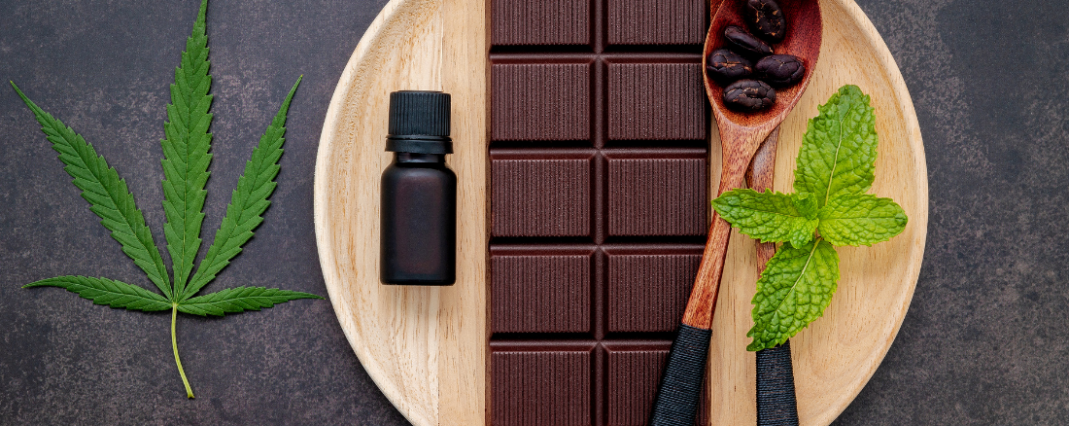
If you’ve been browsing CBD chocolate, you may have noticed bars labelled indica and sativa. These terms are widely used, but what do they actually mean when CBD is infused into chocolate?
The short answer is that indica vs sativa CBD chocolate tells you something about the strains or plant profiles associated with the extract. Indica and sativa have traditionally been used to describe differences between hemp plants and strains, including their growth characteristics, genetics and aromatic profiles.
However, modern research suggests that factors such as cannabinoid profiles, terpene content and CBD strength can provide more specific information about a product than the indica or sativa label alone. Individual experiences with CBD can also vary.
In this guide, we’ll explain the difference between indica and sativa, what those classifications mean for CBD chocolate, and what else to look for when choosing between different products.
Ready to buy? Explore our CBD chocolate range and new Doobie Dawg collection, including milk, white and dark chocolate options, with a choice of CBD strengths and fast UK delivery.
What do indica and sativa mean?
The terms indica and sativa have traditionally been used to describe different types of cannabis plants.
Cannabis sativa L. is the botanical species that includes hemp and many varieties traditionally described as sativa. Historically, sativa plants were associated with taller growth, narrower leaves and warmer climates, while plants historically described as indica tended to be shorter and bushier, with broad leaves suited to cooler climates.
These physical differences were useful to growers, but years of cultivation and crossbreeding have produced countless hybrids. As a result, today’s strains rarely fall neatly into just two categories. Many modern plants are sativa-dominant, indica-dominant, or hybrids combining genetics from different strains.
What is indica CBD chocolate?
Indica CBD chocolate combines chocolate with CBD extract associated with indica or indica-dominant plants.
Traditional indica strains may feature deeper earthy, woody, pine and herbal notes, depending on their individual terpene profiles. Certain strains, such as OG Kush, have also become well known within wider cannabis culture for their distinctive aromatic characteristics.
However, an indica label should not be taken as a reliable indicator of how a product will affect you. Details such as the CBD content, cannabinoid profile, terpene content and overall formulation provide more specific information about the product itself.
You may also see similar indica classifications used across other CBD products, including CBD oils.
What is sativa CBD chocolate?
Sativa CBD chocolate is chocolate made using CBD extract associated with sativa or sativa-dominant strains.
Traditional sativa strains may feature lighter or brighter aromatic profiles. Depending on the individual strain and its terpene content, these can include citrus, fruit, floral or pine notes.
The terms indica and sativa are most useful as broad classifications rather than as a way to predict a particular experience from CBD edibles.
Indica vs sativa CBD chocolate: does the difference matter?
So, where does the indica vs sativa distinction actually matter when comparing CBD chocolate? The table below breaks down where the classification can be useful and where other product details matter more.
| Where the difference may matter | Where it matters less |
| Strain profile – the extract may be associated with an indica, sativa or hybrid plant profile | CBD itself – cannabidiol is the same compound in both |
| Aromatic characteristics – different strains may be associated with different terpene profiles | Strength – an indica product is not automatically stronger or weaker than a sativa product |
| Product choice – the classification can help distinguish between different CBD chocolate options | What to expect – the label does not reliably indicate a particular experience |
| Personal preference – some shoppers may prefer one strain classification over another | Quality – indica or sativa alone does not tell you whether one product is better quality than another |
Overall, the indica vs sativa classification can still provide useful context when comparing CBD chocolate, but it should be considered alongside the product’s CBD content, cannabinoid profile, terpene information and formulation.
What does the research say about indica vs sativa?
Modern research suggests that indica and sativa labels do not always correspond to clearly distinct genetic or chemical groups.
This is partly because hemp contains a wide range of chemical compounds, including cannabinoids, terpenes and other aromatic compounds. Individual strains can therefore have different chemical profiles even when they share the same broad indica or sativa classification.
As a result, the label can provide useful background about a strain or product profile, but it should not be treated as a precise description of its full chemical composition.
What else should you consider when choosing CBD chocolate?
If you’re comparing indica vs sativa CBD chocolate, there are several other details worth checking alongside the strain classification.
CBD content
Start with the amount of CBD in the product and how much is provided per serving. Our CBD chocolate range includes products with clearly stated CBD content so you can compare different options more easily.
The Food Standards Agency (FSA) currently advises healthy adults to limit their total CBD intake from food to 10mg per day. This includes CBD consumed across all food products that day, such as chocolate, gummies and CBD oil.
Cannabinoid profile
CBD is only one of the naturally occurring cannabinoids found in hemp. Some whole-plant extracts may also contain compounds such as CBDA, CBG and CBC, alongside terpenes and flavonoids.
The combination of cannabinoids and terpenes is sometimes discussed in relation to the entourage effect, a theory about how different plant compounds may interact. Research into this remains ongoing.
Terpene profiles
Terpenes are aromatic compounds found naturally in many plants, not just cannabis. Different terpene profiles can create aromas ranging from citrus and fruit to pine, spice and herbal notes.
Certain terpenes may also be more common in particular strains, helping to distinguish the aromatic profiles associated with different varieties.
Does the type of chocolate matter?
Milk, white and dark CBD chocolate all offer slightly different eating experiences, but choosing between them is largely a matter of taste.
The main CBD-related details to compare are CBD content, serving size, and type of hemp extract, rather than whether the chocolate itself is dark, milk, or white.
If you enjoy richer cocoa flavours, you may prefer dark chocolate, while milk and white chocolate offer sweeter alternatives. Your choice largely comes down to flavour preference.
How to choose between indica and sativa CBD chocolate
When comparing indica vs sativa CBD chocolate, the strain classification can form part of your decision, but it shouldn’t be the only factor you consider.
Before choosing, check:
- CBD per serving: Compare the amount of cannabidiol in each portion.
- Cannabinoid and terpene information: Check any additional details provided about the extract.
- Chocolate type: Choose between milk, white or dark chocolate according to your taste.
- Ingredients: Check the full ingredient and allergen information.
- Serving guidance: Follow the instructions provided with the product.
If you’re unsure whether CBD is suitable for you, particularly if you take medication or have specific health considerations, speak to a healthcare professional before use.
Summary: does indica vs sativa CBD chocolate matter?
The indica vs sativa CBD chocolate distinction can be useful, but it is less clear-cut than traditional cannabis terminology might suggest.
Indica plants and sativa plants have different historical characteristics, while individual strains can contain different combinations of cannabinoids, terpenes and aromatic compounds. However, years of crossbreeding have produced many hybrids, and research suggests that indica and sativa labels do not always correspond to clearly distinct genetic or chemical profiles.
When choosing CBD chocolate, strain classification can factor into your decision, but it is also worth checking CBD content, cannabinoid and terpene information, extract type, serving guidance, and ingredients.
Buy high-quality CBD chocolate from The CBD Flower Shop
Ready to find your preferred option? Explore our full range of delicious CBD chocolates to compare indica and sativa options, CBD strengths, and milk, white and dark chocolate. If you’re unsure which product to choose or have a question before ordering, contact us and our team will be happy to help.
Frequently asked questions
Indica-dominant means the strain or plant profile associated with the extract is described as having a stronger indica influence than sativa. It does not mean the CBD itself is different.
Not necessarily. Indica or sativa classification does not determine CBD strength. Check the stated CBD content per serving when comparing products.
Experiences with CBD products can vary, but any differences cannot necessarily be attributed to the indica or sativa classification alone.