
Getting enough quality sleep is one of the most important things you can do for your health, yet for many people across the UK, a good night’s rest feels frustratingly out of reach. Whether it’s a mind that won’t switch off, restless nights, or simply waking up feeling unrefreshed, sleep problems are incredibly common.
That’s why so many people are turning to CBD oil as a natural addition to their bedtime routine. Interest in the potential benefits of CBD oil for sleep has grown significantly, and it’s easy to see why. Rather than acting as a heavy sedative, CBD is thought to gently support the body’s own systems, helping create the right conditions for deeper, more restful sleep.
In this guide, we’ll look at how CBD oil may support better sleep quality, how it compares to traditional sleep aids like melatonin, the best ways to take it, and what to look for when buying it in the UK. We’ll also share some practical tips to help you build a bedtime routine that actually works.
Explore our range of premium CBD oils at The CBD Flower Shop, all lab-tested, UK-compliant, and available with fast delivery.
What is CBD oil?
CBD oil is made from cannabidiol (CBD), a natural compound extracted from the hemp plant. Unlike THC, CBD produces no psychoactive effects. It won’t make you feel intoxicated, or impaired in any way.
To make CBD oil, cannabidiol is extracted from hemp and blended with a carrier oil such as MCT oil or hemp seed oil, making it easy to measure and take. It’s available as sublingual drops, capsules, and edibles like CBD gummies.
In the UK, all CBD products sold as food supplements must comply with Food Standards Agency (FSA) regulations. This includes having a valid novel food application and containing no more than 1mg of THC per container – an important marker of quality and legality to look for when shopping.

There are three main types of CBD oil:
- Full-spectrum CBD: Contains a wide range of naturally occurring cannabinoids, terpenes, and plant compounds alongside CBD. Many people choose full-spectrum for what’s known as the “entourage effect” – the idea that these compounds work better together than in isolation.
- Broad-spectrum CBD: Similar to full-spectrum but typically processed to remove THC, making it a popular option for those who want the benefits of multiple cannabinoids without any trace of THC.
- CBD isolate: The purest form of CBD, with all other compounds removed. A good choice if you want to focus specifically on cannabidiol itself.
For sleep in particular, many users find that full-spectrum CBD oil, which retains terpenes like myrcene and linalool, both associated with calming effects, offers a more rounded experience than isolate alone.
How CBD oil may support better sleep
So how does CBD oil actually work for sleep? The key is in the body’s endocannabinoid system (ECS) – a network of receptors found throughout the brain and body that helps regulate a range of functions, including mood, stress response, pain perception, and crucially, the sleep-wake cycle.
Rather than forcing the body into a sedative state, CBD appears to support the ECS in maintaining balance, which scientists call homeostasis. When the body is better balanced, falling into a natural, restful sleep becomes easier.
Here’s a closer look at the specific ways CBD oil may benefit sleep:
Calming a restless mind before bed
Stress, worry, and anxious thoughts are among the leading barriers to a good night’s rest. CBD’s interaction with serotonin receptors may help ease this mental restlessness, encouraging a sense of calm without making you feel groggy or sedated. Many people describe it as taking the edge off the noise, rather than switching everything off.
Supporting your natural sleep-wake cycle
The body’s circadian rhythm – the internal clock that tells you when to feel sleepy and when to feel alert – is closely tied to the ECS. By supporting ECS balance, CBD may help to reinforce healthy sleep-wake patterns, making it easier to feel naturally sleepy at the right time of night and wake feeling refreshed.
Easing physical discomfort that disrupts sleep
Pain and physical discomfort are another major obstacle to quality sleep. Whether it’s general muscle tension, joint stiffness, or chronic pain that flares up at night, these issues can keep you in a cycle of broken sleep. CBD’s potential to reduce inflammation and ease tension may help the body to settle into proper rest.
Reducing night-time disturbances
Beyond helping you fall asleep, CBD may also help you stay asleep. Some users report fewer disturbances through the night when taking CBD regularly, waking less frequently and spending more time in the restorative deeper stages of sleep. Research has also explored CBD’s potential effect on REM sleep, particularly in people who experience vivid or distressing dreams, though more human studies are needed in this area.
Building a consistent bedtime ritual
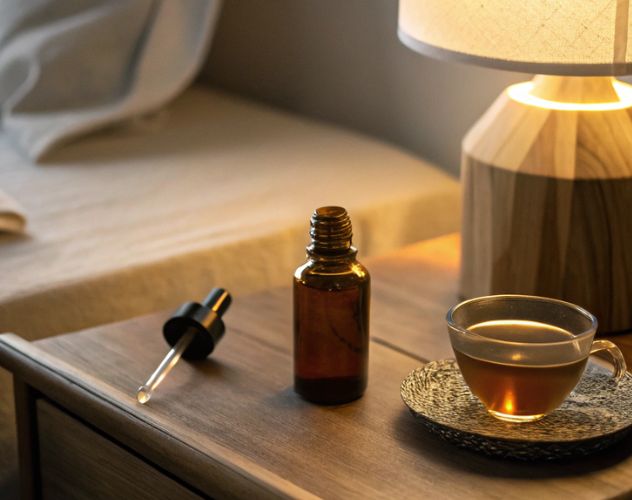
Taking CBD oil as part of a regular pre-sleep routine – a few drops under the tongue, or a CBD capsule with a herbal tea – can act as a gentle cue to the brain that it’s time to wind down. This kind of consistency can, over time, contribute to better sleep habits overall.
For more on building CBD into your daily life, read our guide: How to Incorporate CBD Oil Into Your Daily Routine.
CBD oil vs traditional sleep aids
Many people who struggle with sleep eventually explore over-the-counter or prescription options such as antihistamines, melatonin supplements, or stronger sleep medications. These can be effective, but they’re sometimes linked with side effects. Dependence, next-day drowsiness, and the feeling of needing to increase your dose over time are concerns that lead many people to look for something gentler.
This is where CBD oil comes in. It’s not a medicine and can’t be marketed as a treatment for insomnia or any other sleep disorder, but as a wellness supplement, it’s chosen by a growing number of people who want to support their sleep naturally, without the side effects associated with stronger options.
Here’s a simple comparison:
| Traditional Sleep Aids | CBD Oil (Wellness Supplement) |
|---|---|
| May cause morning grogginess | May support relaxation without sedation |
| Can be habit-forming with prolonged use | Not considered addictive |
| Often require a prescription | Legal food supplement in the UK |
| Work as direct sedatives | Supports the body’s own sleep systems |
| Melatonin supplements hormones directly | CBD works via the endocannabinoid system |
One key distinction worth highlighting: melatonin works by supplementing the sleep hormone your body already produces, which can be helpful for jet lag or shift work. CBD, by contrast, doesn’t directly influence melatonin levels. Instead, it works more broadly on the ECS and nervous system to reduce the stress and physical tension that often prevent sleep in the first place. Many people find the two can complement each other as part of a rounded sleep routine.
As always, if you’re currently taking any medication – particularly anything prescribed for anxiety, pain, or sleep – always speak to your GP before adding CBD to your routine, as interactions can occur.
Best ways to use CBD oil for sleep
One of the great things about CBD is its flexibility. There’s no single right way to take it; it comes down to your lifestyle, preferences, and how quickly you want to feel the effects. Here are the most common options:
- Sublingual drops (under the tongue): The most popular choice for sleep. A few drops held under the tongue for 60–90 seconds allows CBD to absorb directly into the bloodstream, typically taking effect within 15–45 minutes. This makes it a good option if you want a relatively quick wind-down.
- CBD capsules: Provide a consistent, pre-measured dose every time and are easy to build into a nightly supplement routine. Onset is slower (up to an hour or two) as they need to pass through the digestive system, so take them earlier in the evening.
- CBD gummies and edibles: A tastier option that works much like capsules in terms of timing. Discreet and easy to take, especially if you don’t enjoy the natural taste of CBD oil.
- CBD hemp flower teas: Gently steeped and enjoyed as a warm evening drink, often alongside other calming herbs like chamomile. A lovely way to create a soothing pre-sleep ritual.
When to take it: Most people find 30–60 minutes before bed works well for sublingual drops. If you’re using capsules or edibles, aim for 60–90 minutes ahead. As for how much to take, there’s no universal answer – body weight, individual tolerance, and the strength of the product all play a role. The general advice is to start low (around 10–25mg) and increase gradually until you find what works for you.
Tips for creating a relaxing bedtime routine with CBD
CBD oil works best as part of a wider approach to sleep. On its own, it can be a useful tool, but when combined with other calming habits, the effect tends to be noticeably stronger. Here are some simple habits to pair with your CBD oil:
- Dim the lights at least an hour before bed to stimulate melatonin production naturally.
- Put screens down – the blue light from phones and tablets actively suppresses melatonin and keeps the brain alert.
- Stretch or do gentle yoga to release the physical tension that builds up through the day.
- Keep your bedroom cool and dark – your body temperature needs to drop slightly for deep sleep to kick in.
- Try journaling or reading to offload any mental clutter before you close your eyes.
By weaving CBD into a broader routine like this, you give it the best possible conditions for a good night’s sleep.

What to consider before using CBD oil for sleep
CBD is generally well-tolerated, but there are a few things worth knowing before you begin:
- Always choose lab-tested products: Look for CBD oils that come with a Certificate of Analysis (COA) from an independent laboratory. This confirms the CBD content, verifies that THC levels are within legal limits, and checks for contaminants such as pesticides or heavy metals. At The CBD Flower Shop, all our products meet these standards.
- Be aware of potential side effects: Most people experience no issues, but some may notice mild effects such as dry mouth, digestive changes, or slight drowsiness, particularly at higher doses. Starting low helps you gauge how your body responds.
- Check for medication interactions: CBD can affect how certain medications are metabolised by the liver. If you’re taking prescription medicines, consult your GP before starting.
- Pregnancy and breastfeeding: The FSA advises that CBD should not be taken by pregnant or breastfeeding women as a precaution.
- Underlying health conditions: If you have a heart condition, liver issues, or are managing a diagnosed mental health condition, always speak to a healthcare professional first.
Summary
The potential CBD oil benefits for sleep come down to one central idea: CBD may help create the conditions where sleep comes more naturally. By supporting the endocannabinoid system, easing mental restlessness, reducing physical tension, and fitting neatly into a calming bedtime routine, CBD oil has become a genuinely popular natural option for people looking to improve their sleep quality.
Research is still developing, but for many people, it’s a gentle, non-habit-forming supplement that’s worth exploring alongside other good sleep habits. The key is choosing quality products, starting with a modest dose, and giving your body time to adjust.
Buy premium CBD oil from The CBD Flower Shop
At The CBD Flower Shop, we’ve built our range around quality, transparency, and products that people can actually rely on. Every CBD oil we stock is independently lab-tested, UK-compliant, and sourced from high-quality hemp, so you always know exactly what you’re getting.
Whether you’re drawn to the richness of a full-spectrum CBD oil, the convenience of CBD capsules, or the simplicity of CBD gummies, we’ve got something to suit your bedtime routine. And if you’re not sure where to start, our team is always happy to help you find the right product.
Browse our full range of CBD oils and capsules to take the first step towards more restful nights. If you have any questions, get in touch; we’re here to help.
Frequently Asked Questions
CBD oil is not a medicine and cannot be sold or marketed as a treatment for insomnia or any other sleep condition. As a wellness supplement, it can support the body’s own systems in ways that many people find helpful at night. Users commonly report that CBD helps them feel calmer before bed, reduces the mental restlessness that delays sleep, and contributes to a more consistent nightly routine. Whether it works for you personally will depend on factors like dosage, the product you use, and the underlying reasons you’re having trouble sleeping.
This depends on how you take it. Sublingual drops (held under the tongue) are absorbed directly into the bloodstream and typically take effect within 15–45 minutes, making them a good option if you’re taking CBD shortly before bed. CBD capsules and gummies pass through the digestive system, which means they can take anywhere from one to two hours to kick in – so if you prefer these formats, take them earlier in the evening. Most people find 30–60 minutes before bed a reasonable window to aim for with drops, and 60–90 minutes with edibles.
Current evidence suggests that CBD is well-tolerated for regular use and is not considered habit-forming or addictive. Many people take it nightly as part of an ongoing routine without issue. If you’re taking any regular medication, it’s always the right call to check with your GP before starting. The FSA also advises that healthy adults limit daily CBD intake to 70mg, which is well above the amounts most people use for sleep support.
Most people tolerate CBD products well, but some may experience mild side effects, such as fatigue, digestive issues, or drowsiness. CBD can also interact with other medications, so it is always important to seek advice from a healthcare professional before starting. Pregnant or breastfeeding women are advised not to use CBD, in line with Food Standards Agency guidance.
There’s no right CBD dosage that works for everyone; the right amount depends on your body weight, your individual sensitivity to CBD, and the strength of the product you’re using. A widely recommended approach is to start at the lower end (around 10–25mg per dose) and increase gradually over a week or two until you find the level that feels right. Most products will give guidance on the label, and it’s worth sticking to that until you have a sense of how CBD affects you.