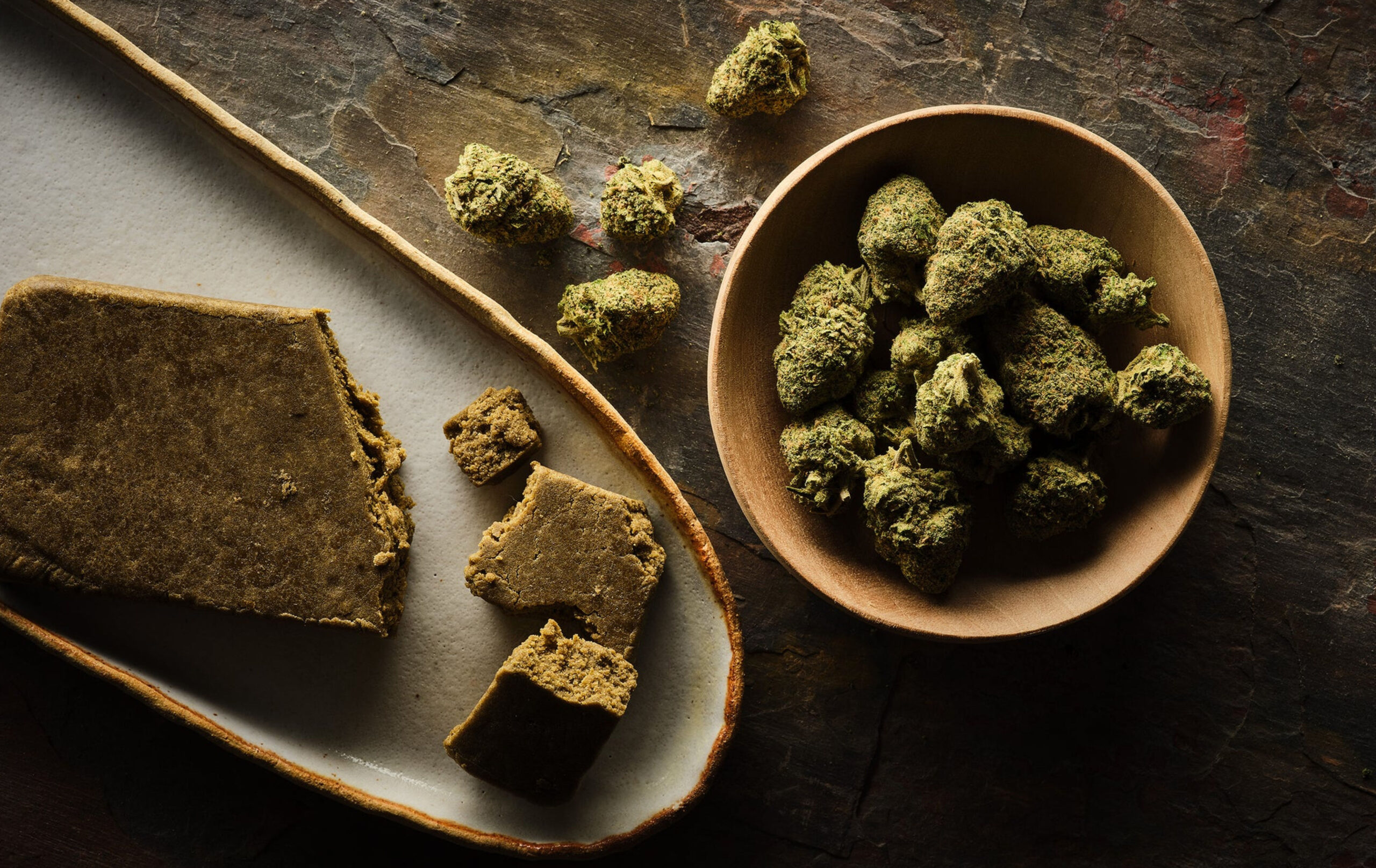
Cannabicyclol (CBL) is a minor cannabinoid found in hemp and cannabis plants, formed when cannabichromene (CBC) degrades under exposure to light or heat over time. It is not produced directly by the plant in significant quantities; CBL is essentially a degradation product. It is one of several trace cannabinoids that may appear on a full-spectrum…
Autoflowering
Autoflowering describes a cannabis or hemp plant that begins to flower based on age rather than changes in the light cycle. Standard hemp plants need a shift to shorter days to trigger flowering; auto-flowering varieties do it automatically, typically within two to four weeks of germination. For CBD buyers, this trait directly affects the consistency,…
Anandamide (AEA)
Anandamide (AEA) is an endocannabinoid produced naturally by the human body. Named after the Sanskrit word for bliss, ananda, it binds to cannabinoid receptors throughout the brain and body to regulate mood, appetite, memory and pain perception. For UK CBD buyers, anandamide matters because CBD may influence how long it stays active in your system….
Whole Plant
Whole plant refers to the use of the entire hemp plant—stalks, flowers, leaves, and seeds—when extracting beneficial compounds such as cannabinoids, terpenes, and flavonoids. This approach ensures that a broad spectrum of naturally occurring elements is preserved, offering a more complete profile compared to isolates that contain only a single compound. Whole Plant in the CBD Industry In the…
FSA
The FSA, or Food Standards Agency, is the UK government body responsible for ensuring that food products are safe, properly labelled, and compliant with legal standards. It oversees everything from food hygiene to the regulation of novel foods such as CBD supplements. Importance of FSA The role of the FSA is vital in maintaining consumer safety and trust. Within the CBD industry, all…
Endocannabinoid
An endocannabinoid is a naturally occurring compound produced by the human body that interacts with the endocannabinoid system (ECS). These molecules help regulate key functions such as mood, sleep, appetite, memory, and immune response. Importance of Endocannabinoid The role of the endocannabinoid is crucial in maintaining balance, often referred to as homeostasis. When levels of these compounds fluctuate, it can affect…
Dabs
Dabs are concentrated forms of cannabis extracts that contain high levels of cannabinoids such as CBD or THC, depending on the source material. They are typically created through extraction processes that isolate the active compounds, resulting in products like wax, shatter, or resin. Importance of Dabs The use of dabs has become significant in the CBD and hemp industry due to their potency and fast-acting nature. Compared to…
Cultivation
Meaning of Cultivation Cultivation refers to the process of growing and nurturing plants under controlled conditions to achieve healthy, high-quality yields. In the context of hemp and cannabis, it involves managing soil, light, water, and nutrients to support strong growth and desired cannabinoid profiles. Importance of Cultivation The practice of cultivation is central to the production of reliable CBD products, as the…
Controlled Substances
Controlled substances are chemicals or compounds regulated by law due to their potential impact on health, safety, or risk of misuse. These substances are typically listed in schedules that classify them based on their level of restriction and accepted medical use. Importance of Controlled Substances The classification of controlled substances plays a central role in shaping the cannabis and hemp industry….
CO2 Extraction
CO2 Extraction is a method of obtaining active compounds from hemp using pressurised carbon dioxide. This technique allows for clean, efficient separation of cannabinoids and terpenes without leaving behind harmful residues often associated with chemical solvents. Importance of CO2 Extraction The process of CO₂ Extraction is considered one of the gold standards in the CBD industry due to its ability to preserve purity and potency. By…