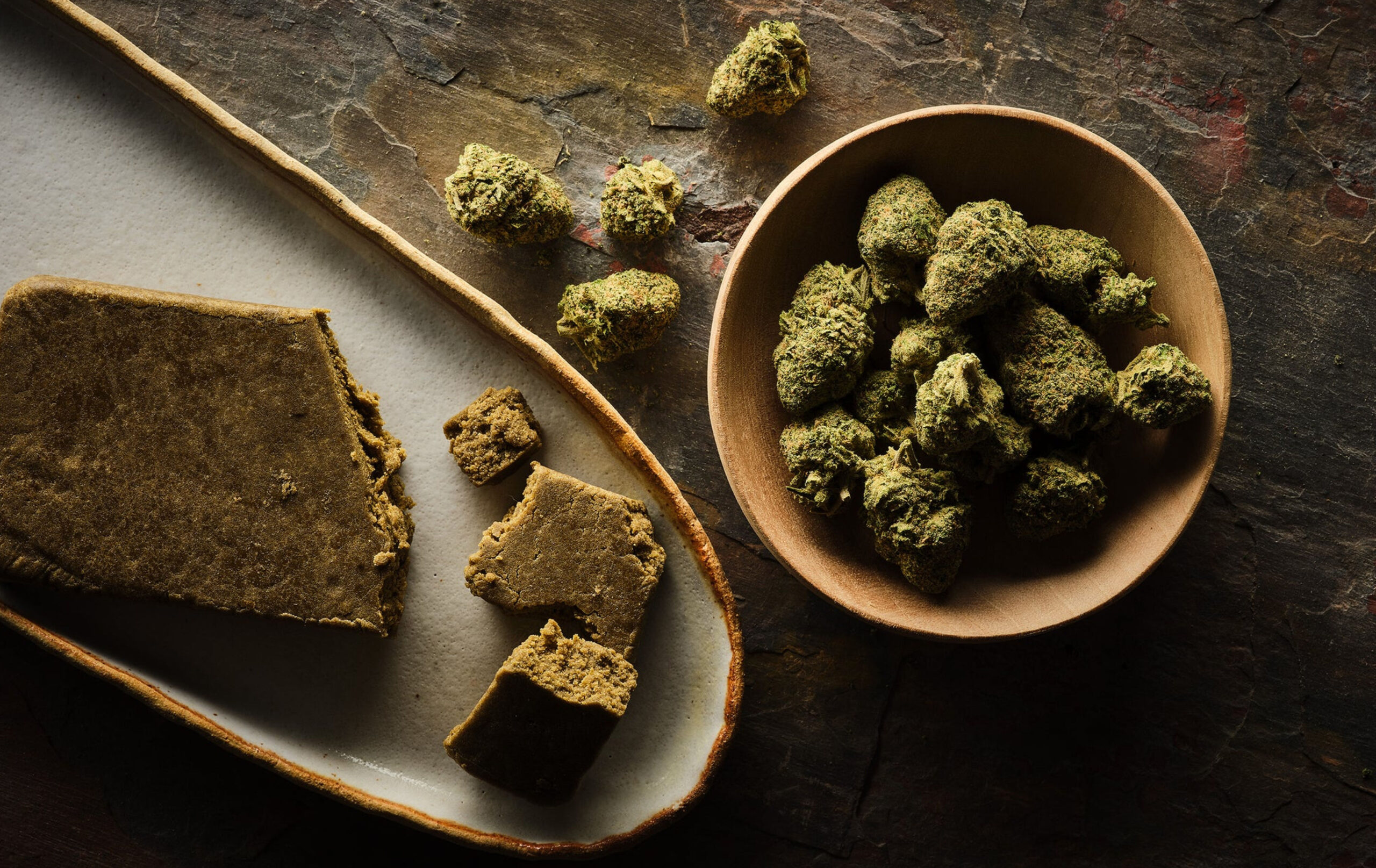
A cannabinoid is a naturally occurring compound found in the cannabis plant, with over a hundred different types identified so far. These compounds interact with the body’s endocannabinoid system, which helps regulate processes such as mood, sleep, appetite, and immune function. Unlike THC, which is psychoactive, many cannabinoids, such as CBD and CBG, are non-intoxicating and are valued for their potential wellness benefits. Importance of…
Cannabigerolic Acid (CBGA)
Cannabigerolic Acid (CBGA) is a naturally occurring compound found in the cannabis plant and is often referred to as the “mother cannabinoid.” It serves as the precursor from which other major cannabinoids, such as CBD, THC, and CBC, are derived. Although CBGA itself is not commonly consumed in high amounts, its role in the biosynthesis of cannabinoids makes it…
Cannabidolic Acid (CBDA)
Cannabidolic Acid (CBDA) is a naturally occurring compound found in raw hemp plants, acting as the acidic precursor to Cannabidiol (CBD). When exposed to heat or light through a process called decarboxylation, CBDA converts into CBD, making it an essential starting point for many hemp-derived products. Unlike THC, it is non-intoxicating and does not produce a “high.”…
Cannabidivarin (CBDV)
Cannabidivarin (CBDV) is a naturally occurring non-intoxicating cannabinoid found in hemp and certain strains of cannabis. Structurally similar to Cannabidiol (CBD), it shares many potential wellness properties but is present in much smaller amounts within the plant. Because it does not produce a “high,” CBDV has gained attention as a supportive compound in cannabinoid-rich extracts. Cannabidivarin (CBDV)…
Cannabidiol (CBD)
Cannabidiol (CBD) is a naturally occurring compound found in the hemp plant, belonging to the group of cannabinoids that interact with the body’s endocannabinoid system. Unlike THC, CBD is non-intoxicating, meaning it does not create a “high,” while still offering a wide range of potential benefits for balance and wellbeing. It has become one of the…
Cannabichromene (CBC)
Cannabichromene (CBC) is one of the many naturally occurring cannabinoids found in the hemp plant. Unlike THC, it is non-intoxicating and does not produce a “high,” but research suggests it may offer a range of potential wellness benefits. CBC is usually present in smaller concentrations compared to CBD and CBG, yet it plays an important role in the plant’s…
Broad Spectrum CBD
Broad Spectrum CBD refers to a type of cannabidiol extract that contains a wide range of naturally occurring compounds found in the hemp plant, except for THC. This makes it different from full-spectrum extracts, which include trace amounts of THC, and CBD isolate, which contains only pure cannabidiol. Broad Spectrum CBD is highly valued because it preserves multiple cannabinoids,…
2-AG (2-Arachidonoyl Glycerol)
2-AG (2-Arachidonoylglycerol) is a naturally occurring endocannabinoid found in the human body. It binds to CB1 and CB2 receptors within the endocannabinoid system (ECS), playing a crucial role in regulating processes such as mood, immune response, and homeostasis. Unlike plant-derived cannabinoids like CBD or THC, 2-AG is produced internally and is essential for maintaining balance in physiological functions. Role of 2-AG in the Endocannabinoid System The…