CBD tea is one of the most popular ways to enjoy CBD flower in the UK, and for good reason. Steeping dried CBD flower in hot water creates a warm, aromatic drink that delivers cannabidiol, terpenes, and minor cannabinoids in a slow, gentle wave that many describe as deeply calming without any sense of intoxication.
But what does CBD tea actually feel like? How long does it take to work? And why does the same cup affect two people differently? This guide unpacks all of it: the biology, the felt experience, onset time, dosage, and what to realistically expect when you brew CBD flower at home in the UK.
| Quick answer: CBD tea produces a calm, relaxed feeling without any psychoactive ‘high’. Effects typically begin within 30–90 minutes, build gradually, and last 3–6 hours. The experience is often described as a gentle wave of tranquillity – tension releasing, mood lifting slightly, and the mind quietening. |
What is CBD tea?
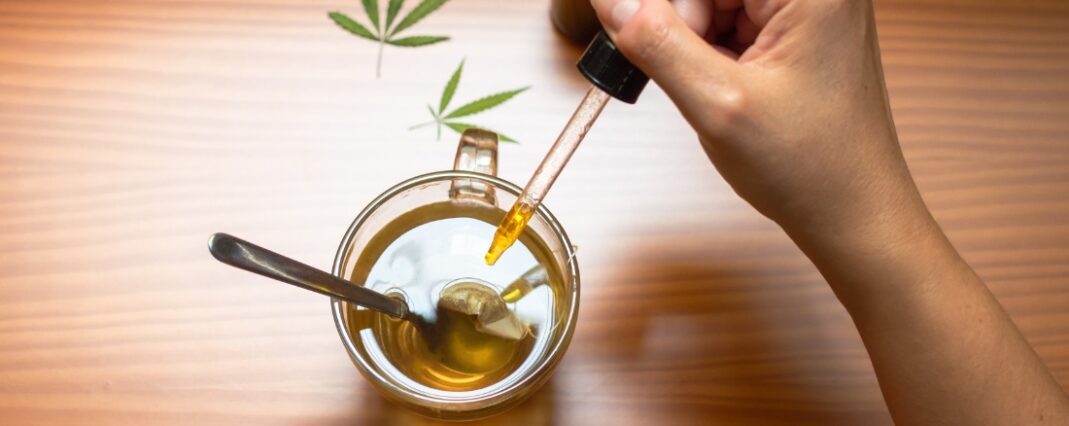
CBD tea is an infusion made by steeping cannabidiol-rich hemp flower, or CBD-infused tea bags, in hot water. The result is a drink that carries CBD alongside a full complement of terpenes, flavonoids, and minor cannabinoids naturally present in the plant.
Unlike isolated CBD products, CBD tea made from whole CBD flower retains the complete phytochemical profile of the hemp plant. This is important because those compounds work together – a phenomenon known as the entourage effect – to produce a richer, more nuanced experience than CBD isolate alone can deliver.
CBD tea is also distinct from cannabis or THC-containing products. UK-legal CBD flower contains a maximum of 0.2% THC (dry weight), which is far too low to produce any psychoactive effect. You will not get high from CBD tea.
Learn how to make CBD hemp tea for best results
-
 FLASH SALE – Shake CBD Hemp FlowerPrice range: £9.50 through £28.50
8% CBD
Hybrid
-
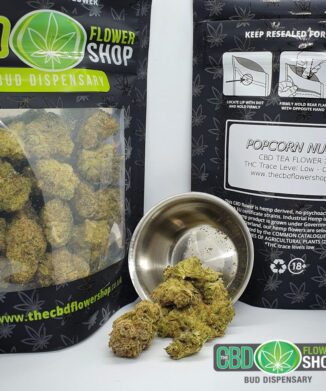 FLASH SALE – CBD Popcorn Nuggies | Popcorn FlowersPrice range: £30.00 through £79.99
8% CBD
Indoor

Small Bud
-
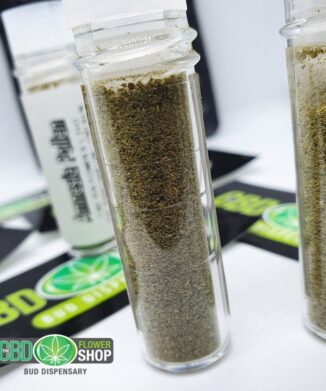 CBD Tea PollenPrice range: £6.60 through £13.75
8% CBD
-
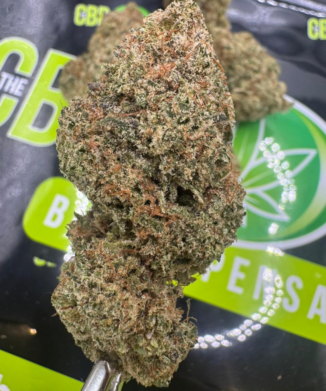 Bubblegum Runtz CBD Tea FlowerPrice range: £19.00 through £70.00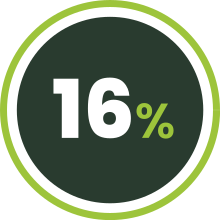
16% CBD
Hybrid
Indoor
The Science Behind How CBD Tea Makes You Feel
The endocannabinoid system
To understand how CBD tea works to product any effect at all, it’s important to understand the science behind it. CBD produces its calming effects by interacting with the body’s endocannabinoid system (ECS) – an internal signalling network that regulates mood and stress levels, pain, and sleep. Rather than binding to receptors directly like THC does, CBD acts as a gentle modulator, encouraging the body’s own regulatory systems toward calm and balance. It also activates serotonin 5-HT1A receptors, which underpins its anxiolytic (anti-anxiety) properties.
For a full breakdown, read our guide on how the ECS works
The role of terpenes
The terpene profile of your CBD flower meaningfully shapes the felt experience of the tea. Terpenes are the aromatic compounds that give each strain its distinctive smell, and many have their own therapeutic properties:
- Myrcene – earthy, musky; associated with sedation and body relaxation. Common in indica-dominant strains.
- Linalool – floral, lavender-like; well-documented anxiolytic properties. Enhances calming effects.
- Limonene – citrus; associated with mood elevation and stress relief. More common in sativa-leaning strains.
- Beta-caryophyllene – spicy, peppery; uniquely binds to CB2 receptors and has anti-inflammatory properties.
This is why two CBD teas brewed from different strains can feel distinctly different even at the same CBD dose. The terpene fingerprint of each cultivar directs the experience.
The entourage effect
Full-spectrum CBD flower tea contains not just CBD but also minor cannabinoids like CBG, CBN, and CBC, alongside terpenes and flavonoids. Studies suggest these compounds amplify each other’s effects synergistically- a principle known as the entourage effect.
In practical terms: CBD flower tea tends to feel noticeably richer and more effective than a tea made from CBD isolate powder at the equivalent dose. The whole is greater than the sum of its parts.
What Does CBD Tea Actually Feel Like? Potential benefits
The most commonly reported effects and health benefits of CBD tea, drawn from user experience and emerging research:
| Effect | What users typically describe |
| Relaxation | A gentle release of physical tension, particularly in the shoulders, neck, and jaw. Not sedation — more like the feeling of exhaling after a stressful moment. |
| Reduced anxiety | Racing thoughts slow. A sense of perspective returns. Worries feel less pressing without feeling suppressed or numbed. |
| Mild mood lift | Not euphoria (that’s THC territory), but a quiet brightening — things feel a little more manageable. |
| Improved sleep onset | When consumed in the evening, many users find they fall asleep more easily and experience less restless thinking at night. |
| Physical ease | Reduction in minor aches, tension headaches, and general physical discomfort. Linked to CBD’s interaction with CB2 receptors and its anti-inflammatory action. |
Crucially, CBD tea does not produce intoxication, sedation (at moderate doses), cognitive impairment, or the ‘paranoia’ that some people experience with THC. It is non-psychoactive by both legal definition and pharmacology.
Onset Time and Duration: What to Expect
One of the most common sources of confusion with CBD herbal tea, especially for people switching from CBD oil, is the slower onset. When you drink CBD tea, the CBD travels through your digestive system and is metabolised by your liver before reaching your bloodstream (known as first-pass metabolism). This process:
- Slows onset significantly compared to sublingual oil drops or vaping
- Reduces the overall bioavailability of CBD – estimated at 6–20% via oral ingestion vs 20–30% sublingually
- But extends the duration of effects, producing a longer, gentler experience
| CBD tea timeline: Onset: 30–90 minutes | Peak effects: ~2 hours | Duration: 3–6 hours. This is slower than CBD oil (15–45 minutes) but the effects last longer and the curve is gentler. Patience is key — don’t top up your dose because nothing has happened after 20 minutes. |
One practical way to improve bioavailability: add a fat source to your CBD tea. CBD is lipophilic (fat-soluble), meaning it absorbs more efficiently in the presence of fats. A splash of whole milk, oat milk with fat, or a teaspoon of coconut oil or MCT oil in your cup can meaningfully increase how much CBD actually reaches your bloodstream.
Does CBD Tea Get You High?
No. This is the question most first-time users have, and the answer is clear.
CBD (cannabidiol) is non-psychoactive. It does not produce the intoxicating ‘high’ associated with THC (tetrahydrocannabinol). While both compounds are found in cannabis plants, they have entirely different effects on the brain.
THC binds directly and powerfully to CB1 receptors in the brain, producing euphoria, altered perception, and in some cases anxiety or paranoia. CBD does not do this. It modulates rather than activates these receptors, and its primary action is through other pathways — including serotonin and vanilloid receptors.
UK-legal CBD flower contains a maximum of 0.2% THC by dry weight. A cup of CBD tea brewed from compliant flower contains trace THC levels that aren’t enough to register any psychoactive effect even in the most sensitive individual.
What you will feel is calm, not high. The distinction is meaningful and consistent across users.
Why Your CBD Tea Experience May Differ From Someone Else’s
CBD tea’s effects are not one-size-fits-all. Several individual factors shape how you respond:
Body weight and composition
CBD is fat-soluble and distributes into fatty tissue. People with higher body fat may experience a slower initial onset but a longer overall effect window. As a general starting point, higher body weight often calls for a slightly higher dose.
Metabolism
A faster metabolism processes CBD more quickly – quicker onset, potentially shorter duration. A slower metabolism means effects may take longer to arrive but linger for longer.
CBD tolerance
Regular CBD users can develop a tolerance over time, meaning the same dose produces diminishing effects. If you’ve been using CBD daily for weeks and notice reduced efficacy, a brief tolerance break (3–7 days) often resets sensitivity.
Strain and terpene profile
An indica-dominant CBD flower high in myrcene and linalool will feel noticeably more sedative than a sativa-leaning strain high in limonene and pinene. The strain you choose should match your intended effect – calming and sleepy vs uplifted and focused.
Underlying health conditions and medications
CBD may interfere with common medications, including blood thinners (warfarin) and certain antiepileptics. If you are on prescribed medication, consult your GP or healthcare professional before using CBD tea.
| For beginnersStart with 0.5g of CBD flower per cup and a single serving. Wait a full 90 minutes before assessing the effect. Increase gradually over subsequent sessions, not within a single sitting. |
CBD Tea and Sleep Quality
Evening CBD tea has become a bedtime ritual for a significant number of UK CBD users, and the evidence for why is growing.
CBD’s primary sleep-relevant mechanisms include:
- Reducing the anxiety and racing thoughts that most commonly delay sleep onset
- Modulating cortisol levels via the ECS, lowering the physiological stress response
- Interacting with CB1 receptors in the hypothalamus, which regulates circadian rhythm
The ritual itself matters too. The act of brewing tea, sitting quietly, and slowing down 30–60 minutes before bed is a form of sleep hygiene in its own right. The CBD amplifies what the ritual is already doing.
For restful sleep specifically, indica-dominant CBD flower strains tend to be more effective, typically with high myrcene and linalool content. Steep at 85–90°C rather than boiling to preserve the volatile terpenes that contribute most to the sedative effect.
Possible Side Effects and Safety
CBD is well-tolerated by most people. At typical doses used in CBD tea, side effects are uncommon. When they do occur, they are generally mild:
- Dry mouth – CBD reduces saliva production via the ECS. Stay hydrated.
- Mild drowsiness – especially with indica strains or higher doses. Avoid driving or operating machinery if affected.
Learn about the side effects of CBD
Choosing the right CBD tea
Not all CBD tea is equal, and since the quality of what you brew directly affects what you feel, it’s worth knowing what to look for.
- CBD flower quality and source – For loose-leaf CBD tea, the flower itself is everything. Look for organically grown hemp, free from pesticides and herbicides, with a clearly stated CBD percentage backed by a third-party lab certificate (COA). UK-legal flower should confirm THC ≤0.2%.
- Third-party lab testing – This is non-negotiable. A reputable supplier will publish COAs from an independent lab verifying CBD potency, terpene profile, and absence of contaminants (heavy metals, moulds, residual solvents). If a product doesn’t have one, don’t buy it.
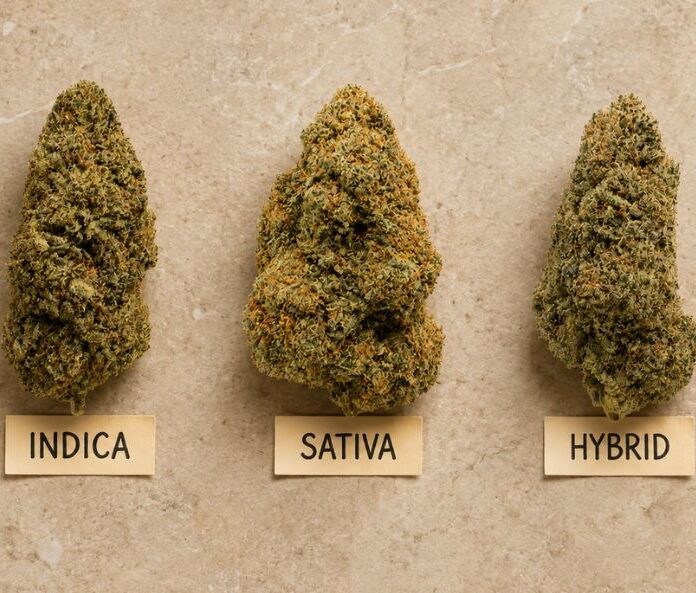
- Strain selection – Match the strain to your intended effect. Indica-dominant strains (high myrcene, linalool) suit evening use and sleep support. Sativa-leaning strains (higher limonene) are better for daytime calm without drowsiness. Hybrid strains offer a middle ground.
- CBD concentration – Higher CBD% flower produces stronger tea at the same serving size. Beginners should start with mid-range flower (8–12% CBD); experienced users may prefer 15–18%+ for more pronounced effects.
- Reviews and brand reputation – Customer feedback is a reliable signal of consistency and quality. A brand confident in its product will also be transparent about its sourcing and testing.
Summary
CBD tea made from CBD flower produces a calm, grounded, non-intoxicating effect driven by CBD’s interaction with the endocannabinoid system and serotonin receptors. Effects begin in 30–90 minutes, peak around 2 hours, and last 3–6 hours – longer and gentler than CBD oil, making it ideal for sustained relaxation, anxiety management, and sleep support.
The specific character of that experience is shaped by the terpene profile of the flower you choose, your individual physiology, your dose, and how you brew it. Starting low and adjusting gradually is always the right approach.
UK-legal CBD flower tea contains ≤0.2% THC and will not produce a high. It is a non-psychoactive wellness drink – one of the most natural and enjoyable ways to incorporate CBD into your daily routine.
Frequently Asked Questions
Between 30 and 90 minutes in most cases, depending on your metabolism, body weight, and whether you consumed food beforehand. Do not redose within the first 90 minutes.
Yes, many users drink CBD tea daily as part of a wellness routine. There are no known safety concerns with regular use at moderate doses. Some users cycle off periodically to avoid tolerance build-up.
Beginners: 0.5g per 240ml cup. Regular users: 1–2g depending on the CBD percentage of the flower and desired effect intensity. Always check the CBD% on your product’s lab report.
Shop CBD tea flowers at The CBD Flower Shop
Now you know what to expect – the calm, the timeline, the strain differences, the brewing tips – you’re well placed to find the flower that suits you best. Browse our full range of high quality CBD tea flowers, with options spanning indica, sativa, and hybrid strains, a variety of CBD concentrations, and flavour profiles from earthy and classic to sweet and fruity.
If you’re exploring other ways to take CBD alongside your tea, we also stock CBD oils, CBD gummies, and CBD vapes.
Questions about a specific strain, CBD concentration, or our delivery options? Get in touch – we’re happy to help you find the right product for your needs.