Pain is one of the most common reasons people in the UK turn to CBD when looking for natural alternatives for relief. But with so many CBD products on the market – oils, creams, capsules, vapes, edibles – knowing where to start, and how much to take, can feel overwhelming.
In this guide, we’ll cover how CBD can potentially relieve pain, the differences between product types, and a practical dosage framework for how much CBD to take. Whether you’re new to CBD or looking to refine your existing routine, you’ll leave with the knowledge to make an informed choice.
Disclaimer: This article is for informational purposes only and does not constitute medical advice. Always consult a doctor or qualified healthcare professional before introducing CBD or any new supplement, particularly if you take prescription medication or have an underlying health condition.
Shop our range of CBD products online for natural relief.
What is CBD and How Does it Work for Pain?
CBD (cannabidiol) is a naturally occurring compound found in the Cannabis sativa plant. Unlike THC (tetrahydrocannabinol), CBD is non-psychoactive, so it won’t produce a high or alter your state of mind. Instead, it interacts with a biological network in the body called the endocannabinoid system (ECS).
Unlike THC, CBD doesn’t bind directly to the body’s cannabinoid receptors. Instead, it works more indirectly by reducing inflammation, dampening pain signals, and helping your body hold onto anandamide, a naturally occurring compound that regulates pain. It may also support mood and ease anxiety linked to chronic pain, making it a well-rounded option for those seeking broader relief.
Types of Pain That CBD May Help With
Not all pain is the same, and understanding your pain type can help guide both product choice and dosage decisions.
Chronic pain
Chronic pain is defined as pain persisting for more than 12 weeks. It affects an estimated 28 million adults in the UK, and includes conditions such as arthritis, fibromyalgia, lower back pain, and multiple sclerosis.
By interacting with the body’s endocannabinoid system to modulate pain signals and reduce inflammation, CBD may offer meaningful relief for those living with these long-term conditions.
Neuropathic pain
Neuropathic pain arises from damage or dysfunction in the nervous system itself rather than from external injury. It often presents as burning, tingling, or electric-shock sensations and is notoriously difficult to treat with standard analgesics. CBD’s interaction with the nervous system and its modulation of inflammatory signalling pathways makes it a possible choice for neuropathic conditions.

Inflammatory pain
Inflammatory pain results from tissue damage and the immune response that follows – redness, swelling, heat, and heightened pain sensitivity. CBD’s anti-inflammatory properties are well documented in preclinical research. Topical CBD products are particularly popular for localised inflammatory conditions such as arthritic joints.
Acute pain
Acute pain, from injury, overexertion, or post-surgical recovery, is typically short-lived and resolves as the underlying cause heals. For acute pain, product onset speed matters; sublingual oils or inhalable formats are often preferred over capsules or edibles because they act faster.
CBD Products for Pain: Which Type Is Right for You?
One of the most important decisions you’ll make is choosing the right product format. Each has distinct characteristics in terms of how quickly it works, how long it lasts, and how precisely you can control your dose.
CBD Oil (Tinctures)

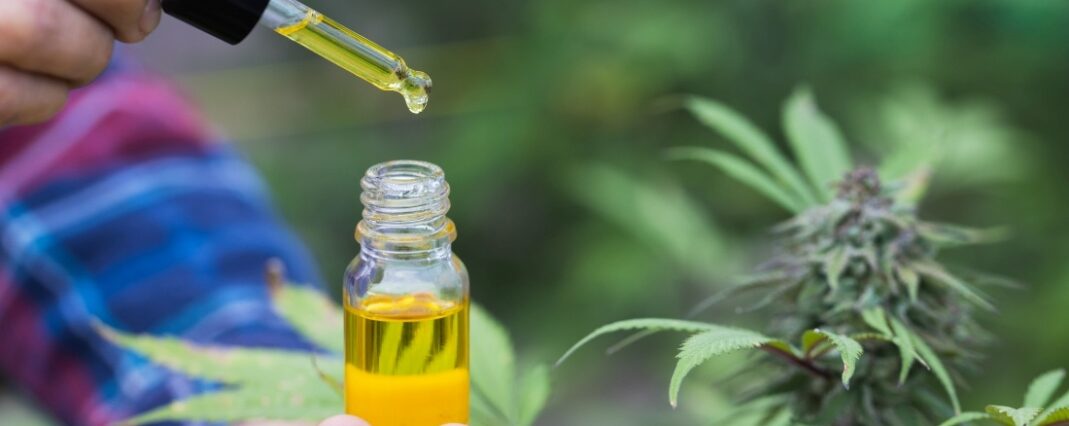
CBD oil is the most widely used format for pain management in the UK. Applied sublingually (a few drops held under the tongue for 60–90 seconds before swallowing), it partially bypasses the liver’s first-pass metabolism, allowing a meaningful proportion of the CBD to enter the bloodstream relatively quickly, typically within 15 to 45 minutes.
Oils come in a range of concentrations and allow for easy, incremental dose adjustment, making them the format of choice for those titrating their dose over time. They may be effective for both chronic systemic pain and as a general daily supplement.
Best for: Chronic pain, systemic inflammation, daily supplementation, users who value dose precision.
CBD Topicals (Creams, Balms & Lotions)
CBD topicals are applied directly to the skin over a painful area. They don’t enter the bloodstream. Instead, the CBD interacts locally with cannabinoid receptors in the skin, subcutaneous tissue, and underlying muscle or joint structures.
CBD creams and balms are particularly popular for arthritic joint pain, post-exercise muscle soreness, and localised inflammatory conditions. They are convenient, discreet, and carry minimal risk of systemic side effects.
Best for: Localised joint and muscle pain, arthritis, sports recovery, people who prefer not to ingest CBD.
CBD Capsules & Edibles
Capsules and edibles (including CBD gummies) are taken orally and pass through the digestive system before the CBD is absorbed. This means they have a slower onset and lower bioavailability.
However, CBD capsules and edibles are popular for convenience, discretion, and consistency. A 25mg capsule delivers the same dose every time, which suits people who have already established their optimal amount.
Best for: Chronic pain management, people who dislike the taste of CBD oil, consistent daily dosing, busy lifestyles.
CBD Flowers (Tea)
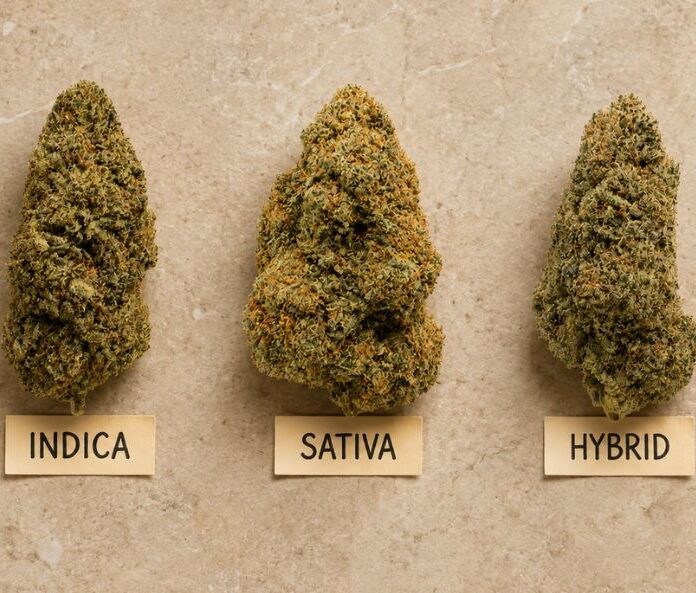
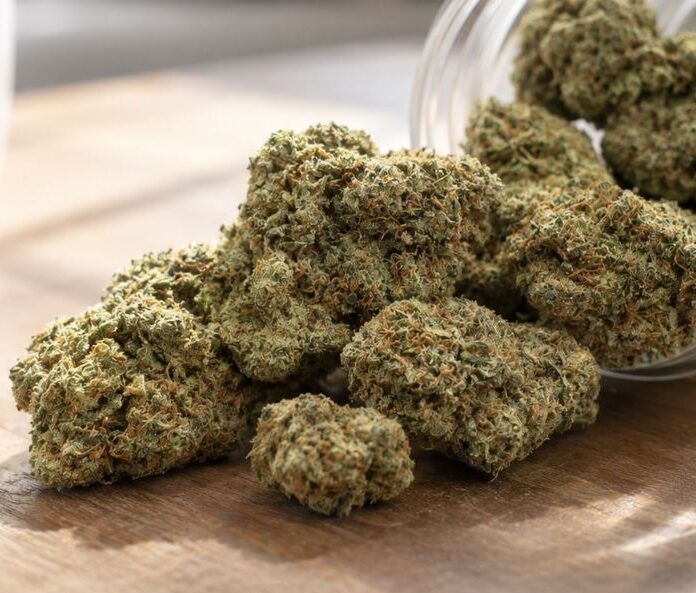
CBD flowers can be brewed into a tea. Different strains offer varying cannabinoid and terpene profiles, which may contribute to distinct effects, some more relaxing, others more energising. For pain management, CBD tea may provide a gentle, gradual onset of effects and suits users who appreciate a natural, unprocessed form of CBD as part of a calming daily ritual.
Best for: Relaxation alongside pain relief, users seeking a natural and minimally processed option, and evening use.
CBD Vape
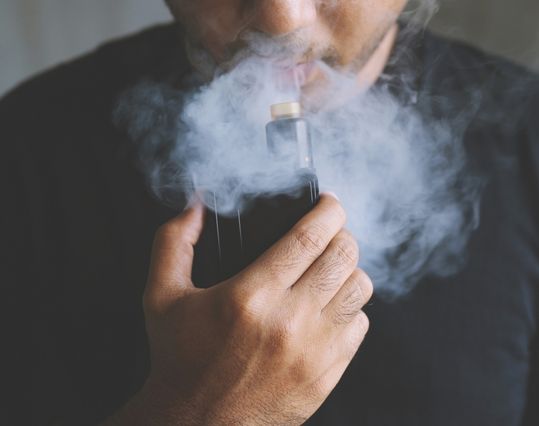
Vaping CBD produces the fastest onset of any delivery method because inhaled CBD passes directly into the lungs and from there into the bloodstream.
This makes vaping appealing for acute pain flare-ups where fast relief is the priority. However, UK health guidance generally advises caution around vaping, and it is not suitable for anyone with respiratory conditions. If you’re considering this option, choose only products from reputable UK brands with third-party lab testing.
Best for: Rapid relief during acute pain episodes, users with experience of vaping, and situations where a fast onset is the primary need.
CBD Dosage for Pain: A Practical Framework
There is no single universal dose for CBD and pain – dosage depends on your body weight, the severity and type of pain, the product format, and individual variation in your endocannabinoid system. The UK Food Standards Agency (FSA) recommends that healthy adults consume no more than 70mg of CBD per day as a food supplement.
The general approach for new users is to start low andgo slow.
Dosage table by pain type
| Type of Pain | Suggested Starting Dose | Typical Effective Range | Frequency |
|---|---|---|---|
| Chronic pain | 10–15mg | 20–40mg | Daily |
| Neuropathic pain | 10mg | 15–30mg | As needed / daily |
| Inflammatory pain | 10–15mg | 20–40mg | Daily |
| Acute / localised pain | 5–10mg (or topical) | 10–25mg | As needed |
| General daily supplement | 5–10mg | 10–25mg | Daily |
These figures are for CBD isolate or broad-spectrum oral products. Full-spectrum products may have enhanced effects at lower doses due to the entourage effect. Topical doses are harder to standardise – follow product-specific guidance.
The Importance of Quality: What to Look for When Buying CBD in the UK
The UK CBD market is regulated but still uneven in quality. When choosing a CBD product for pain management, look for:
- Certificate of Analysis (COA): A third-party lab report confirming the product’s cannabinoid content and absence of pesticides, heavy metals, and solvents. Reputable brands make these available on request or on their website.
- ISO-accredited laboratory testing: The most reliable COAs come from UK or EU laboratories with ISO/IEC 17025 accreditation.
- Clear labelling: The total CBD content (in mg, not just percentage) should be clearly stated, along with THC content per container (must be ≤1mg in a UK legal product).
- Organic, non-GMO hemp: Better-quality raw material generally means a cleaner finished product.
At The CBD Flower Shop, all products are sourced from organic, lab-tested hemp and extracted using state-of-the-art methods to preserve cannabinoid integrity. Our range is fully compliant with UK regulations.
Safety and Side Effects
CBD is well-tolerated by most people, and serious adverse effects are rare at commonly used doses. That said, some individuals do experience:
- Fatigue – particularly at higher doses
- Dry mouth
- Diarrhoea or changes in appetite – more common when first starting or increasing dose
- Elevated liver enzymes – reported in studies using very high pharmaceutical doses; worth monitoring if you plan to use CBD long-term
Who should avoid CBD: Current guidance recommends that pregnant and breastfeeding women avoid CBD. People with liver impairment should use CBD only under medical supervision.
Read our guide on the common side effects of CBD for more detailed information.
Shop High-Quality CBD Products for Pain at The CBD Flower Shop
Managing pain is personal, and so is the CBD approach that works best for you. Whether you’re drawn to the precise dosing of a sublingual oil, the targeted relief of a CBD balm, the convenience of capsules, or the ritual of brewing CBD flower tea, The CBD Flower Shop has a product designed to support your journey.
All of our products are derived from organic hemp, tested for purity and potency, and fully compliant with UK regulations. We’re here to help you find the right format, strength, and routine, so that you can get back to living more comfortably.
Always consult a healthcare professional before starting a CBD regimen, particularly if you have an existing medical condition or take prescription medication.
Frequently Asked Questions
It depends on how you take it. Sublingual CBD oil typically takes 15–45 minutes to produce noticeable effects. Capsules and edibles can take 1–2 hours to take effect due to digestion. Vaping produces effects within minutes. Topical CBD may produce localised relief within 20–45 minutes of application. For chronic pain, consistent daily use over 2–4 weeks often produces the most meaningful results as CBD accumulates in the body.
For most people new to CBD, a 10–15% concentration oil (delivering approximately 5–10mg per drop) is a good starting point. Those with severe or long-standing chronic pain may find they benefit from higher strengths (20–40%) once they have established their tolerance and effective dose. Start with a lower strength and titrate upward rather than beginning with a high-concentration product.
The existing evidence suggests CBD is well-tolerated over extended periods at typical supplement doses. The FSA’s 70mg/day guidance provides a practical upper limit. Long-term use at higher doses may warrant periodic monitoring, particularly for those also taking other medications. As with any supplement used continuously, it’s sensible to review your regimen periodically with a healthcare professional.